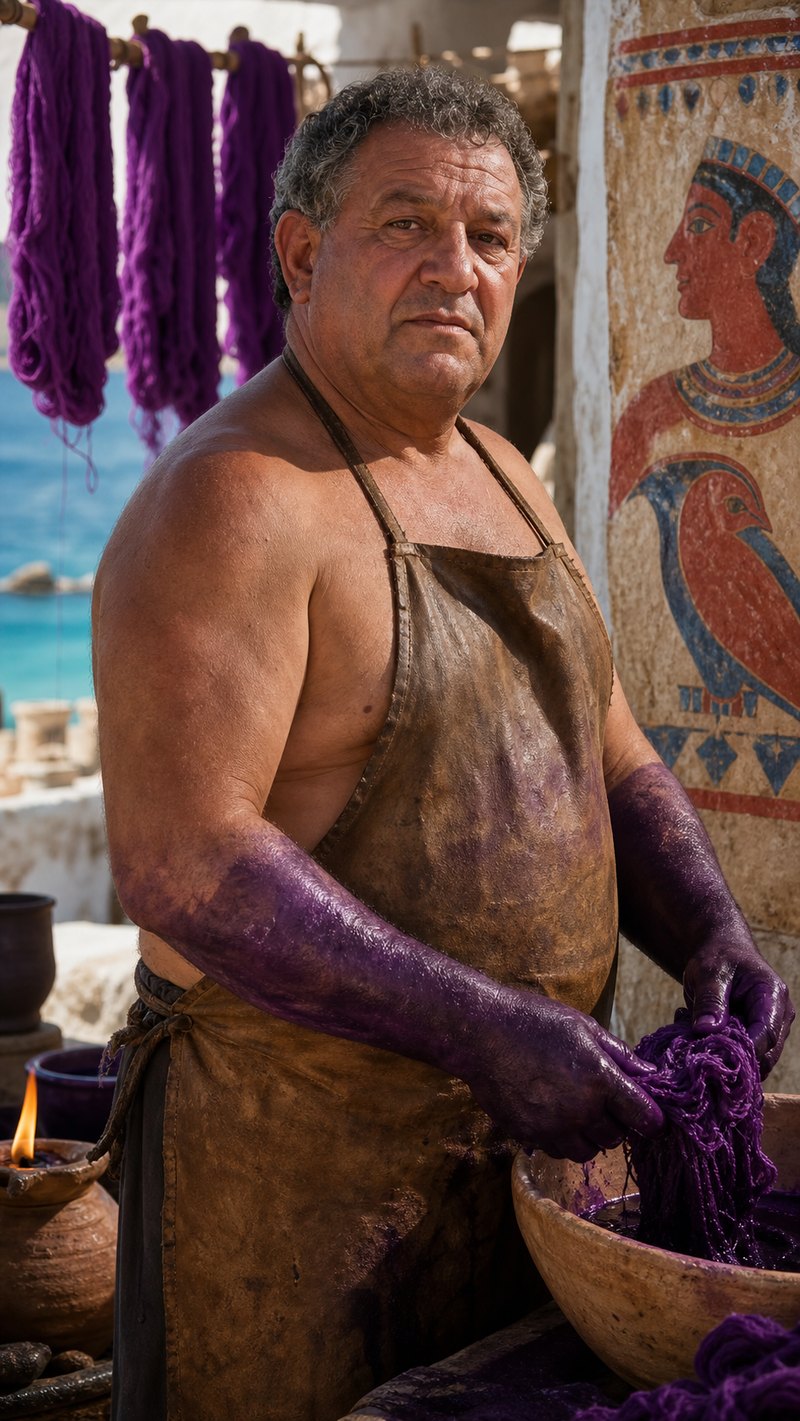
The Diviner Who Read Tomorrow in a Sheep's Liver
- Civilization
- Babylonia
- Occupation
- bārû — liver-diviner to kings
- Material
- Ishtar-glaze blue
- Period
- c. 600 BC
Before Babylon moved an army, a bārû opened a sheep and read its liver — the gods' handwriting in a fistful of meat. Clay teaching-livers with inscribed omens survive from the scribal schools; kings delayed campaigns on a bad lobe.
The job
In Babylon, before a king marched an army, laid a temple foundation, or named an heir, he sent for a bārû, a trained diviner. The bārû put a specific question to the gods, killed a sheep, and examined its liver and lungs for the answer. The liver was read as a message. Shamash, the sun god, and Adad, the storm god, were asked to place their verdict in the animal's body, and the diviner's task was to read that writing. Extispicy, divination from entrails, was among the most trusted forms of prediction in Mesopotamia for well over a thousand years.
How it worked
The questions were practical and usually demanded a yes or no. Should the army advance this month. Is the sick man's illness fatal. The bārû inspected named features of the liver, among them the "presence," a groove on the left lobe, the "palace gate," and the "path," and weighed each mark as favorable or unfavorable. A single ominous feature could tip the reading. Kings acted on the results. Campaigns were timed to good omens, and an unfavorable reading could postpone action. Because the stakes were high, omens were often taken more than once, and a king might order a second sheep when the first gave an unwelcome answer.
How we know
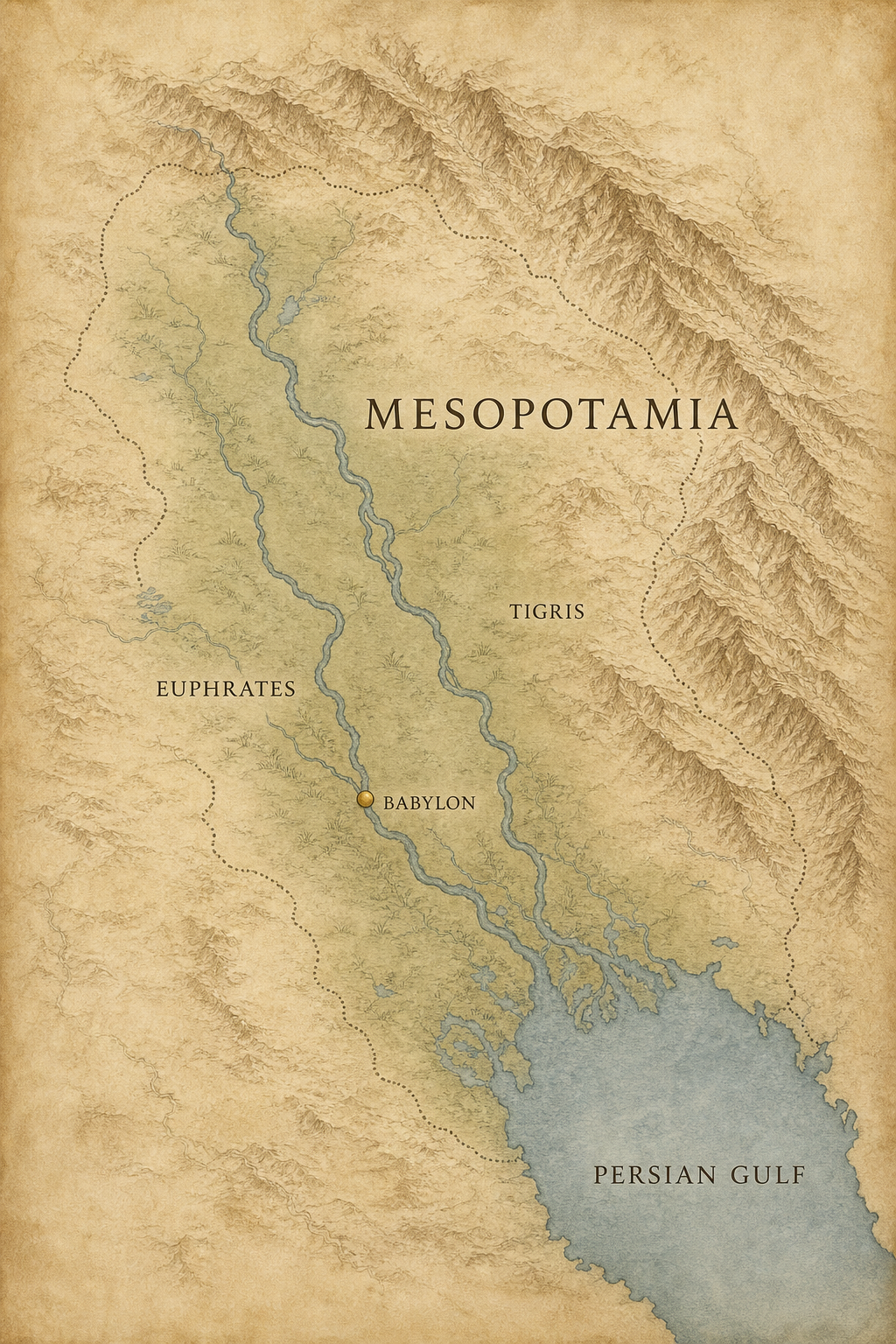
The practice is documented by the diviners' own equipment. Clay models of sheep livers survive, marked into squares and inscribed with the omen attached to each spot, serving as reference and teaching tools for training a bārû. The British Museum holds one of the finest, the so-called Liver Tablet from Sippar, an Old Babylonian model of about 1900 to 1600 BC divided into 55 inscribed sections. A group of similar terracotta models was excavated at Mari on the Euphrates; one, dated about 1800 BC, is now in the National Museum of Aleppo.
By the seventh century BC the discipline had a standardized literature. The Bārûtu was a canonical series of roughly one hundred tablets in ten chapters, copies of which were kept in the library of Ashurbanipal at Nineveh. Thousands of related omen tablets and fragments are known, evidence of a formal, transmitted profession rather than improvised ritual.
Where to see it
The Liver Tablet is in the British Museum, London, registration 1889,0426.238 (also numbered 92668). Liver models from Mari are held by the National Museum of Aleppo. Cuneiform tablets of the Bārûtu series are among the omen texts recovered from Nineveh and now in the British Museum.
Sources
- British Museum — The Liver Tablet: clay model of a sheep's liver, Old Babylonian (c.1900–1600 BC), from Sippar, reg. 1889,0426.238
- History of liver anatomy: Mesopotamian liver clay models (2013), peer-reviewed, PubMed Central
- National Museum of Aleppo — Model of a liver, from Mari (Tell Hariri), c.1800 BC, ALEPPO M 5157
- The Archaeology of Mesopotamian Extispicy: Modeling Divination in the Old Babylonian Period — scholarly chapter
- Bārûtu — the canonical extispicy series (~100 tablets, 10 chapters), Ashurbanipal's library at Nineveh (Wikipedia, supplementary)
Tell us in the comments — the next episode is picked from what you ask for.
Subscribe on YouTube Watch the seriesMore from the series
The Jewelers Who Worked in Living Teeth
The Engineer Who Farmed the Flash Flood