
bārû
- Civilization
- Babylonia
- Period
- c. 600 BC
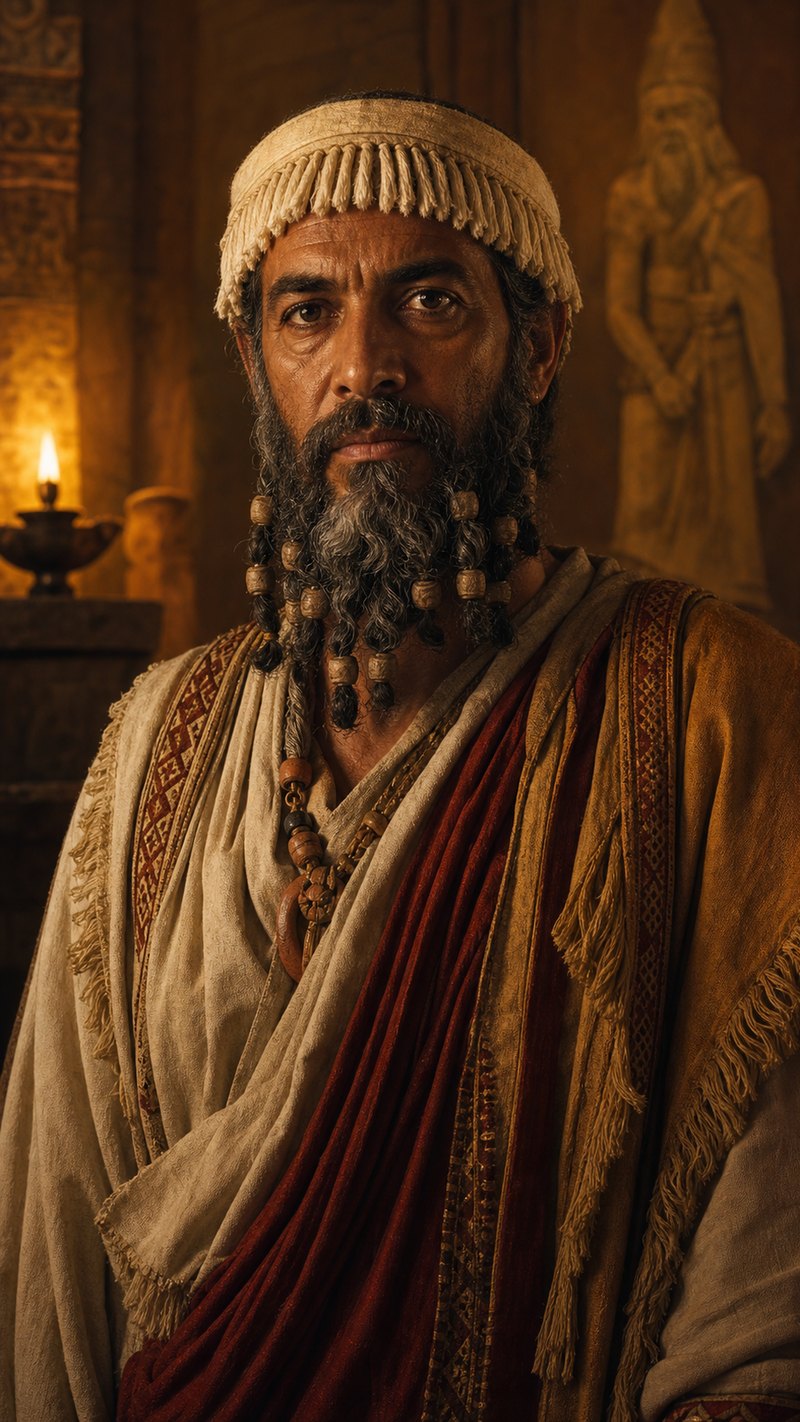
The bārû, from the Akkadian verb for seeing and inspecting, was a trained professional diviner in Babylonia and Assyria. Before a king marched an army, laid a temple foundation or named an heir, a bārû put a specific question to the gods, sacrificed a sheep, and examined its liver and lungs for the answer. The gods Shamash and Adad were asked to write their verdict in the animal's body, and the diviner's craft was reading that writing. This discipline, extispicy, stayed among the most trusted forms of prediction in Mesopotamia for well over a thousand years.
The questions were practical and usually demanded yes or no. Should the army advance this month. Is the sick man's illness fatal. The bārû weighed named features of the liver, among them the 'presence', the 'palace gate' and the 'path', and a single ominous mark could tip a reading. Kings acted on the results, and a king might order a second sheep when the first gave an unwelcome answer.
The profession left its own textbooks. Clay models of sheep livers survive, marked into inscribed squares that tie each zone to its omen. The British Museum's Liver Tablet from Sippar, made about 1900 to 1600 BC, is divided into 55 of them. By the seventh century BC the discipline had a canonical series, the Bārûtu, running to roughly one hundred tablets, copies of which were kept in the library of Ashurbanipal at Nineveh.
See the job lived
Sources
- British Museum — The Liver Tablet: clay model of a sheep's liver, Old Babylonian (c.1900–1600 BC), from Sippar, reg. 1889,0426.238
- National Museum of Aleppo — Model of a liver, from Mari (Tell Hariri), c.1800 BC, ALEPPO M 5157
- Bārûtu — the canonical extispicy series (~100 tablets, 10 chapters), Ashurbanipal's library at Nineveh (Wikipedia, supplementary)