
mulio (plural muliones)
- Civilization
- Rome
- Period
- 1st century BC law, staged c. 1st century AD
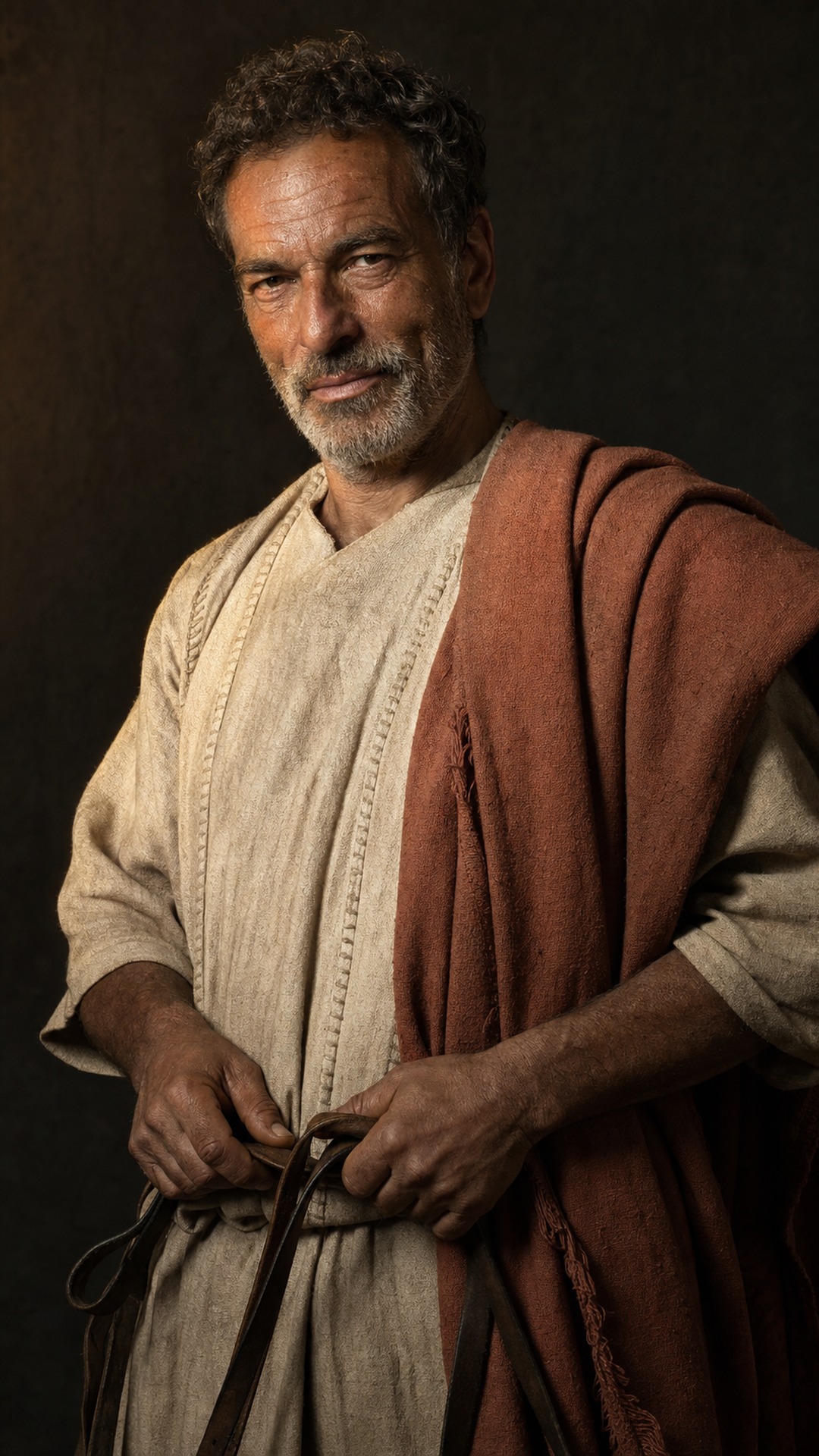
Mulio, plural muliones, is the Latin word for a muleteer, anyone who drove or handled a mule team. The Roman jurists show them at exactly the work you would guess: a legal casebook preserves an accident on the Capitoline slope where the muliones of two loaded wagons struggle to hold them on the climb, and one gives way.
What made the Roman muleteer's trade distinctive was the clock. A law preserved on bronze, the Tabula Heracleensis, barred loaded wagons from Rome's streets from sunrise to the tenth hour of the day. By closing the streets to freight through the working day, it pushed the supply of the ancient world's largest city into the evening and the small hours, and the muliones drove it. Juvenal's complaint that Rome's wagon noise made sleep impossible is aimed straight at them.
They were numerous enough to matter politically. At Pompeii, among the painted electoral notices still on the walls, one is signed by the muliones universi, all the muleteers together, asking voters to elect their candidate. A trade with the collective weight to endorse a politician is a trade the city could not run without.
See the job lived
Sources
- Tabula Heracleensis (the wagon-ban clause, lines 56–67), CIL I² 593 = ILS 6085; M. H. Crawford (ed.), Roman Statutes I (1996), no. 24
- Juvenal, Satire 3.232–238 — the sleepless city, the wagons in the narrow streets
- Digest 9.2.52.2 (Alfenus) — muliones handling two loaded wagons on the Capitoline slope
- CIL IV 97 — Pompeian painted election notice endorsed by the muliones universi