
ālik Tilmun
- Civilization
- Mesopotamia
- Period
- Old Babylonian, c. 1750 BC
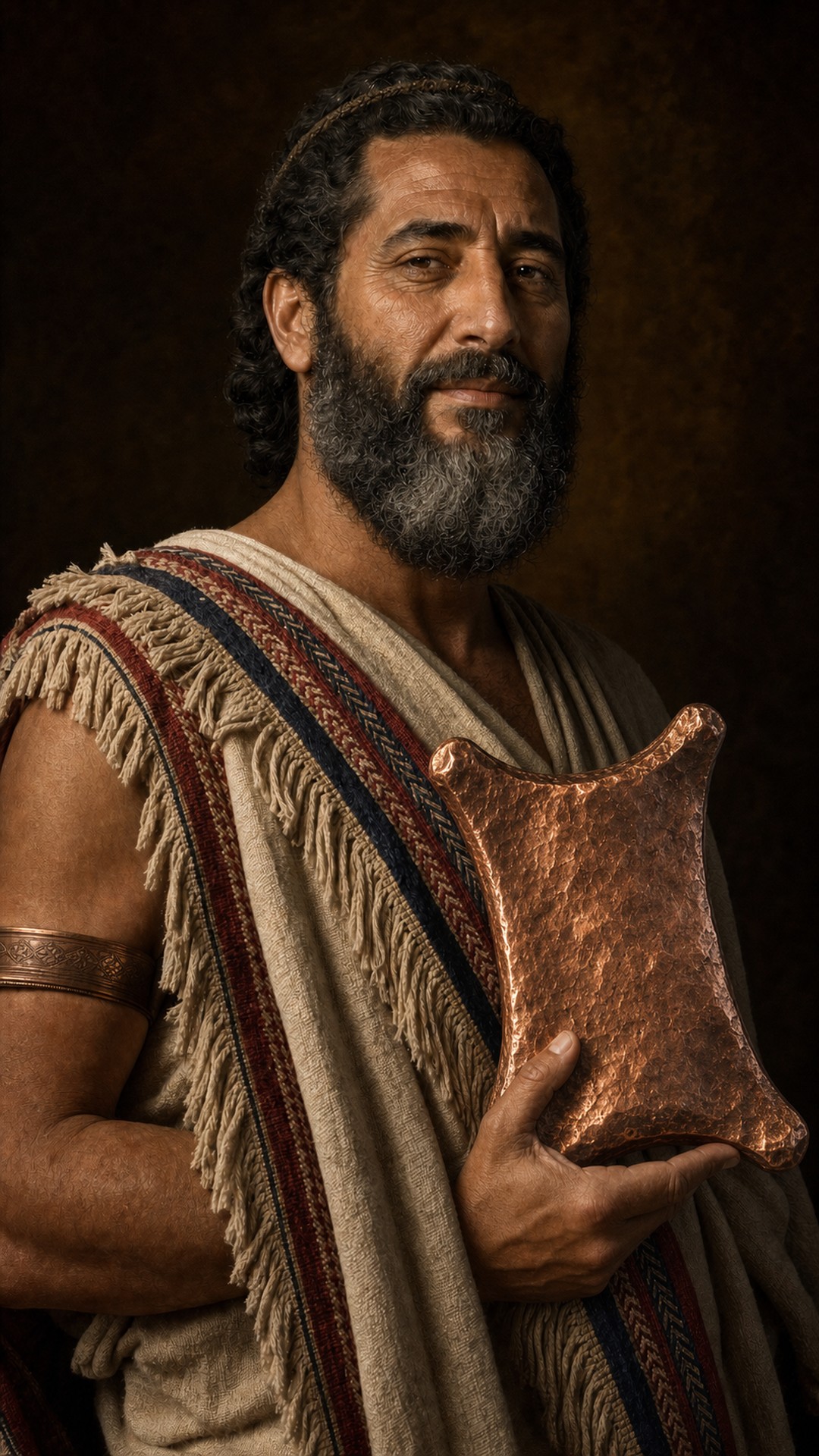
Ālik Tilmun is Akkadian for 'one who goes to Dilmun'. Dilmun was the trading island in the Persian Gulf that we call Bahrain, the entrepot where the copper of Magan, the Oman peninsula, was gathered and sold north. The ālik Tilmun were the merchants of Ur who sailed down the Gulf, bought that copper, and shipped it home to resell, wholesalers at the far end of a long and risky supply chain.
The most famous of them is Ea-nasir, the copper merchant of Ur whose house yielded the tablet now known as the world's oldest written customer complaint. His trade is the term in action: copper bought at Dilmun, paid for in advance, carried hundreds of miles of open water, and argued over in writing when the ingots disappointed.
Dilmun's side of the exchange is its own story: a Gulf entrepot handling Omani copper, Indus beads and Mesopotamian silver, with pearl banks that were worked millennia before the Ur trade and long after it. The divers have their own episode.
See the job lived
Sources
- Ea-nāṣir, an alik Tilmun (Dilmun-merchant) of Ur, and the tablets recovered from his house at ‘No. 1 Old Street’. W. F. Leemans, Foreign Trade in the Old Babylonian Period (E. J. Brill, 1960)
- The complaint tablet of Nanni to Ea-nāṣir — UET V 81 (British Museum 1953,0411.71). Translation: A. L. Oppenheim, Letters from Mesopotamia (Univ. of Chicago Press, 1967), no. 68
- Beech, Cuttler & Al-Sindi — Pearl fishing in Bahrain: archaeological and historical evidence, Arabian Humanities