The Guides Nobody Could Stop
- Civilization
- Greece
- Occupation
- Sanctuary guide (periegetes)
- Material
- Painted treasuries · inscribed altars · the prepared speech
- Period
- Roman Greece, c. 100 AD
The oracle of Delphi drew crowds across the sea — and the sanctuary ran on them: a status-graded queue, a legal thirty-day cap on camping, priority passes for favoured cities carved in stone, and — waiting at the gate — the periegetai, the guides. The tourist experience, complete with the tour you cannot escape, is at least nineteen centuries old.
The men waiting at the gate
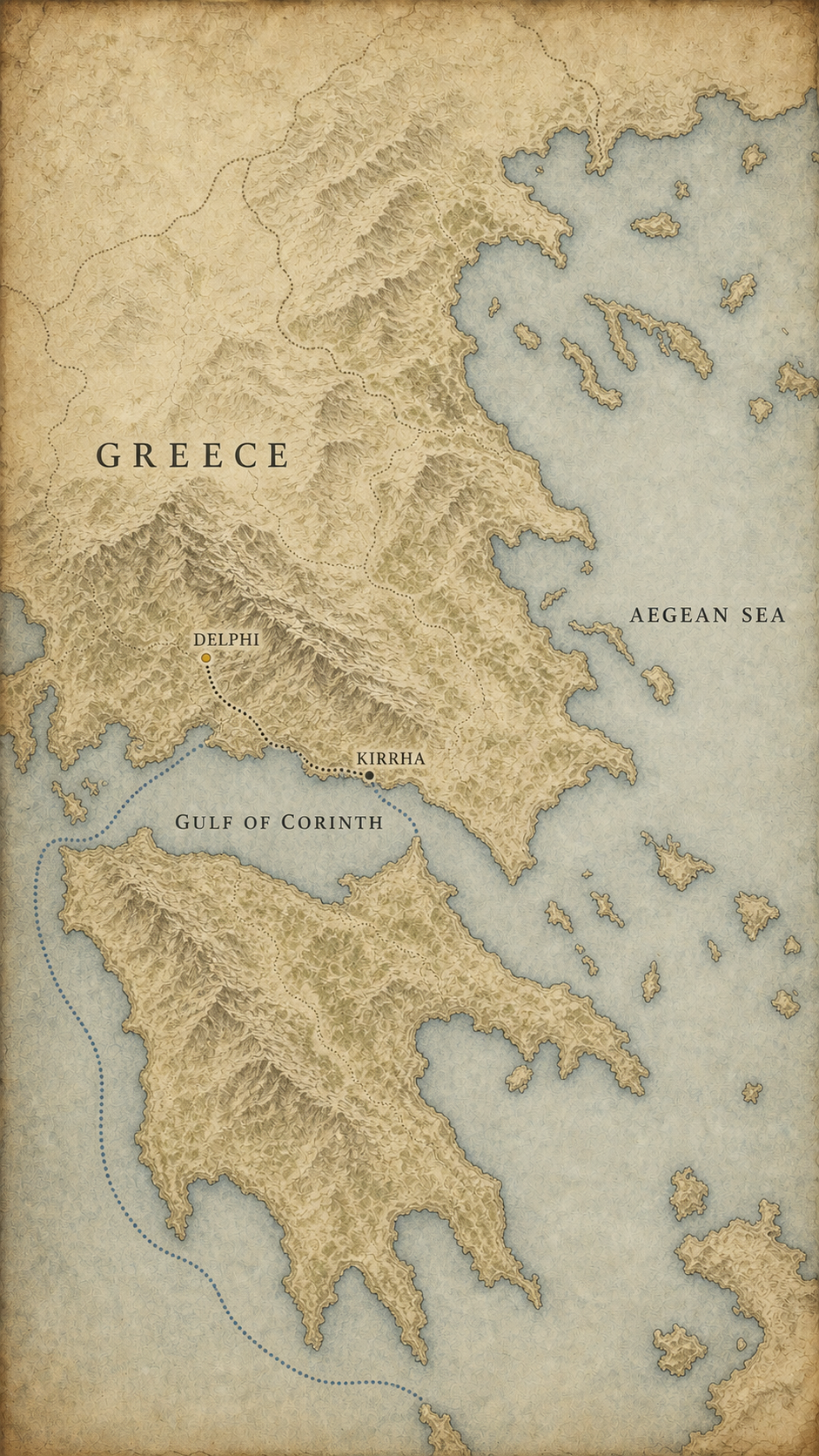
The oracle of Delphi — on the slopes of Mount Parnassus above the Gulf of Corinth — did not operate on demand. Consultations belonged to specific days: in the classical period, tradition placed them on the seventh of the month, and not at all in the winter months when Apollo was held to be away. The answers were delivered through the Pythia, the priestess of Apollo seated in the temple; the questions took hours of waiting on a mountainside covered in monuments. When the days came, the sanctuary filled: delegations from cities, private questioners, the curious.
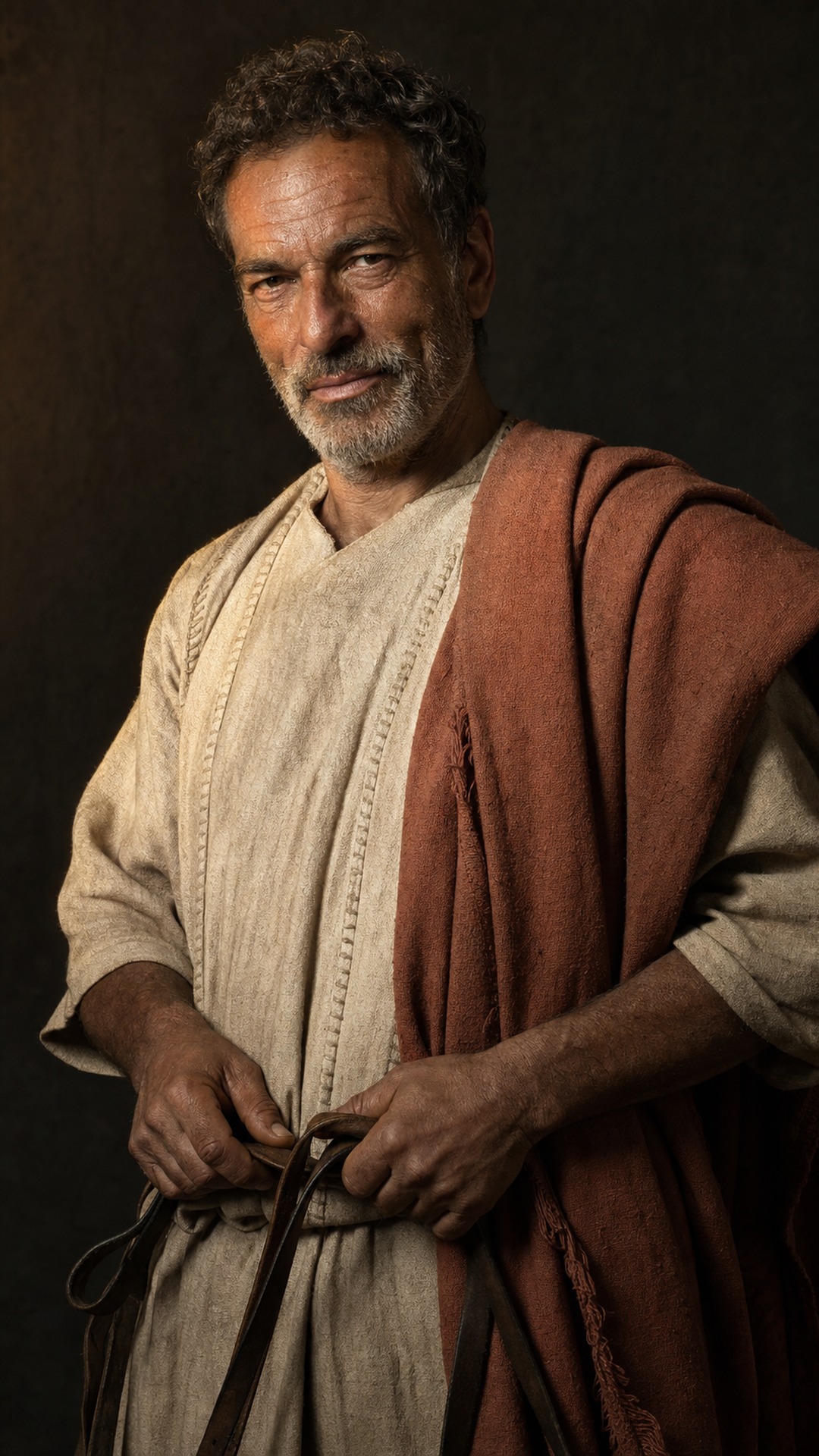
Into that gap stepped a profession: the tour guide. The Greek word is periegetes — 'one who leads around'. Plutarch — a priest of the Delphic oracle around 100 AD, opens one of his dialogues with a party of visitors being taken along the Sacred Way by two of them, delivering what he calls ta syntetagmena: the prepared material. His companions ask the guides to cut the speeches short and skip most of the inscriptions. The guides, he writes, 'paid no attention'. Whenever the visitors' own conversation lapsed, the speeches resumed.
The queue, the campsite, the fast pass
The rest of the visitor experience is documented in stone and regulation. Pilgrims camped on the sacred land below the temple; an Amphictyonic rule of the early fourth century BC capped the stay — visitors could not simply settle in — and forbade processing grain on the holy ground. One benefactor, Mentor of Naupactus, was granted the inscribed right to pitch his tent first at festival gatherings: reserved camping, third century BC.
Order in the queue itself was a currency. Priority consultation — promanteia — could be granted by the city of Delphi, and the grants were carved where everyone could read them. The island of Chios, which paid for the great altar in front of the temple of Apollo, had its privilege inscribed on the altar itself: the Chians consult first. Croesus of Lydia, Herodotus says, earned the same right the direct way — with gifts of gold on a scale nobody needed to queue to hear about.
What the guides actually said
Plutarch lets us hear fragments of the tour: the bronze statues of the naval commanders where it began, the treasuries and their naming disputes, the spot where a famous courtesan's iron spits had once stood — the guides pointed out even the monuments that were no longer there. Asked one question outside the script, they fell silent; a moment later, the programme resumed where it had left off.
Pausanias, travelling Greece a generation later, consulted local expounders at many sanctuaries and recorded a bleaker professional secret from the guides at Argos: not everything they said was true, and they knew it — 'it is no easy matter,' he observed, 'to persuade the majority contrary to what they believe.' The canned speech, the skipped question, the story polished past accuracy because it is what the audience came to hear: none of it is modern. Only the lanyards are new.
And the woman the crowds crossed the sea for has her own episode: The Woman Who Spoke for Apollo.
Sources
- Plutarch, De Pythiae oraculis 394F–402C — the guided tour of Delphi: prepared speeches (ta syntetagmena), visitors asking the guides to abbreviate (395A), speeches resuming in every pause (396C). Trans. F. C. Babbitt (Loeb, 1936)
- Pausanias, Description of Greece 10.28.7 (the Delphic exegetai) and 2.23.6 (guides at Argos repeating stories they knew were not wholly true). Trans. W. H. S. Jones (Loeb)
- Herodotus, Histories 1.54 — Croesus granted promanteia (priority consultation) after his gifts of gold
- The Altar of the Chians and its priority-consultation inscription — Hellenic Ministry of Culture, Delphi archaeological site
- Amphictyonic regulation on the sacred land (camping and use limits), early 4th c. BC — Corpus des Inscriptions de Delphes IV.1; discussion in H. Bowden, 'Athens and Delphi in the Classical Period' (2020)
- Eva Falaschi, Periegetai nel mondo antico — the lexical study of ancient guides (periegetes/exegetes)
Tell us in the comments — the next episode is picked from what you ask for.
Subscribe on YouTube Watch the seriesMore from the series
The Complaint That Outlived the Merchant
The Lender Who Bet Against the Sea